


Waste & Substitute fuels
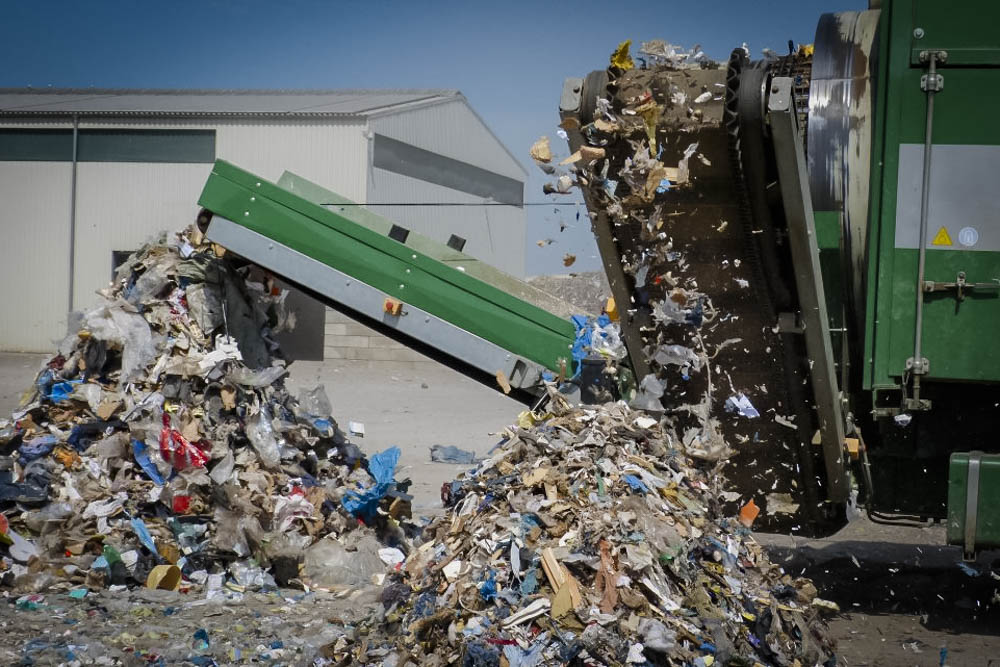
Waste Recycling – Recovery of Substitute Fuels
Recommended screening product
Glass (5 - 25mm)
Separation and recycling by grain size
Substitute fuels (20 - 40mm)
Separation and processing for energy recovery
Typical applications
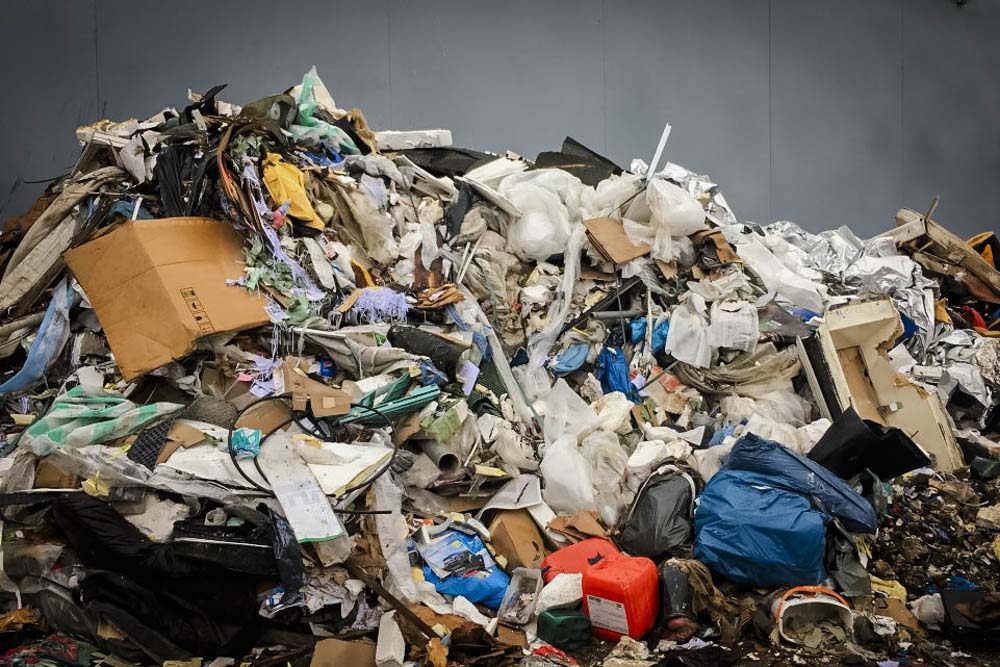
- Waste
- Glass
- Rubbish
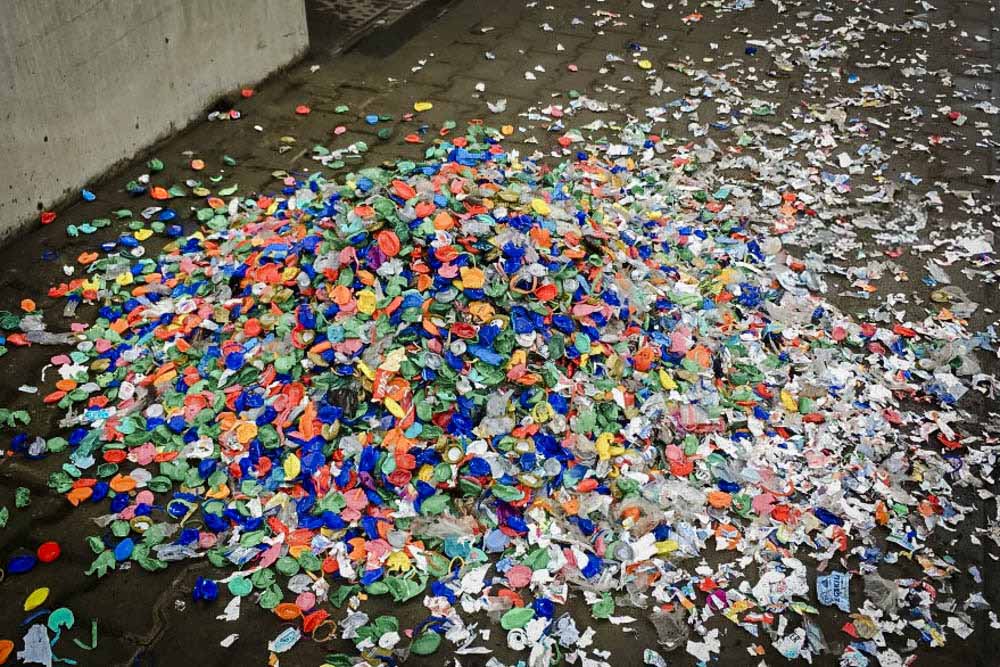
- Plastics
- Substitute fuels
- Separation of films
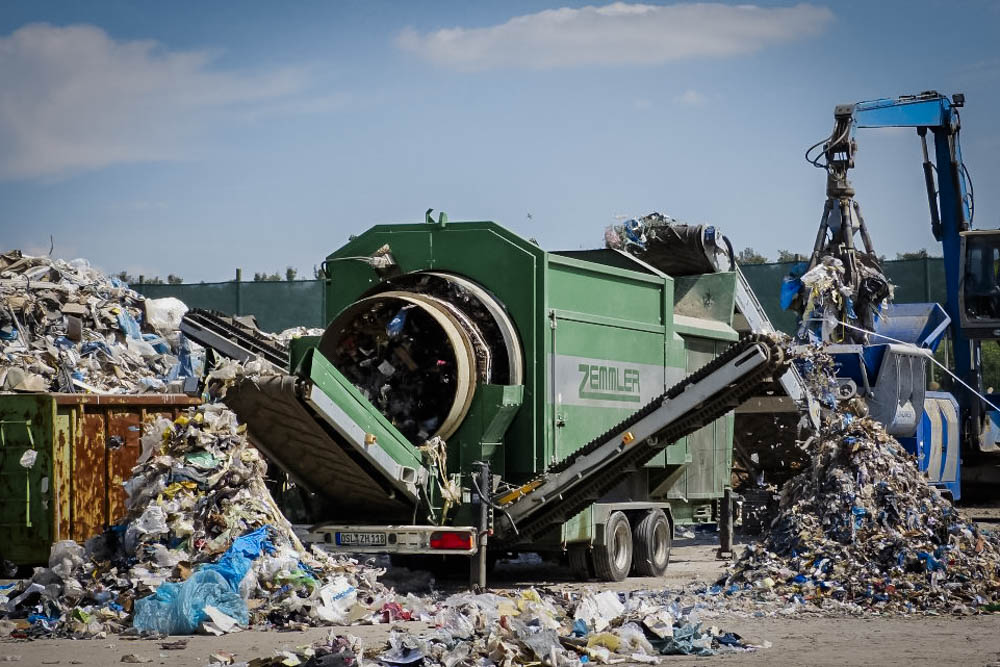
The Zemmler screening concept
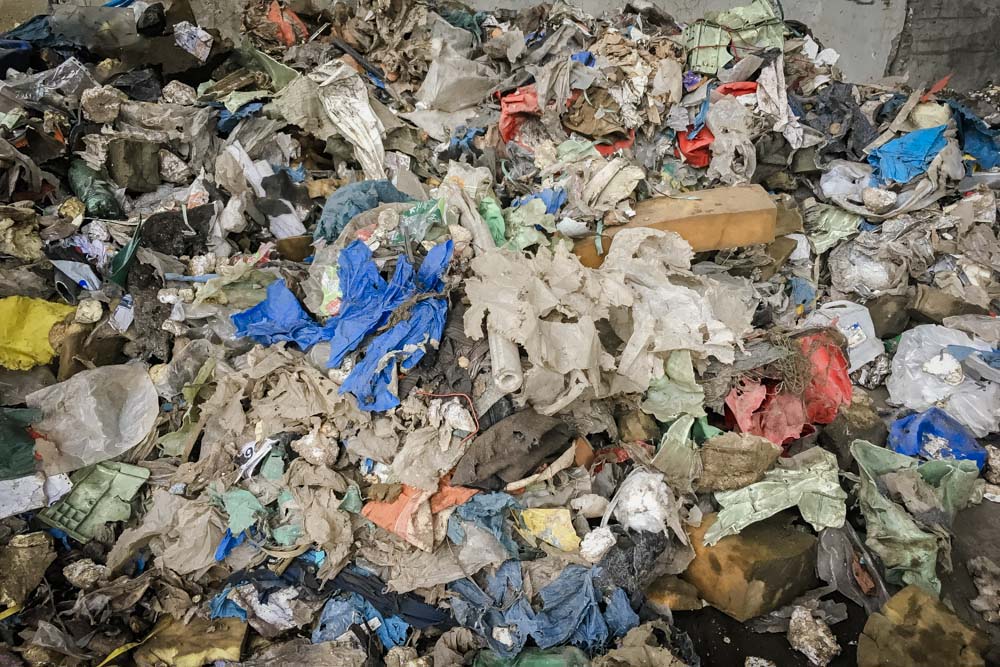
Input material
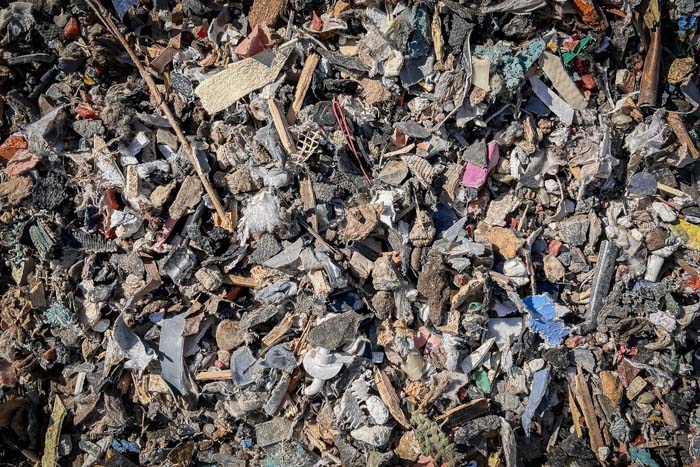
Fine fraction
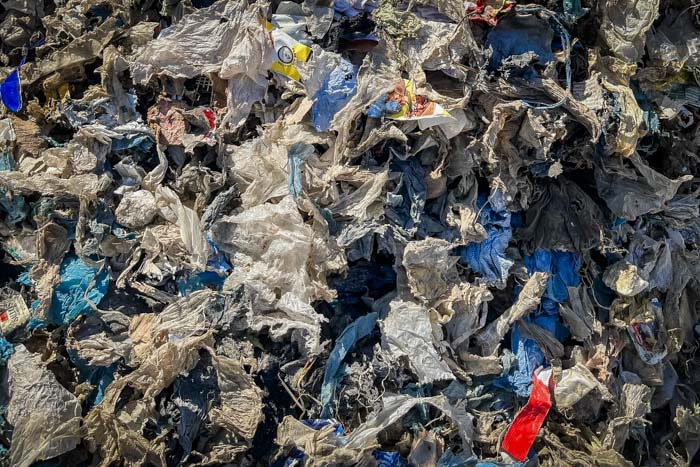
Middle fraction
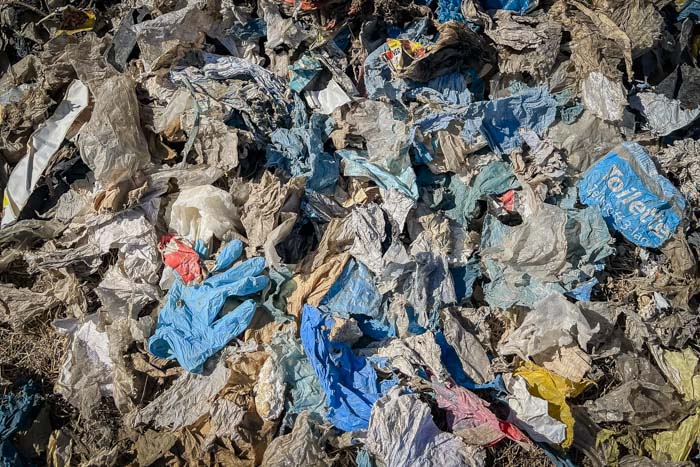
Coarse fraction
Videos
You are currently viewing a placeholder content from Default. To access the actual content, click the button below. Please note that doing so will share data with third-party providers.
More InformationPlastic
You are currently viewing a placeholder content from Default. To access the actual content, click the button below. Please note that doing so will share data with third-party providers.
More InformationHousehold Waste
You are currently viewing a placeholder content from Default. To access the actual content, click the button below. Please note that doing so will share data with third-party providers.
More InformationGlass
You are currently viewing a placeholder content from Default. To access the actual content, click the button below. Please note that doing so will share data with third-party providers.
More InformationStationary Waste Recycling
You are currently viewing a placeholder content from Default. To access the actual content, click the button below. Please note that doing so will share data with third-party providers.
More InformationWaste with Film
You are currently viewing a placeholder content from Default. To access the actual content, click the button below. Please note that doing so will share data with third-party providers.
More Information